
How Difficult Is It to Learn French? What English Speakers Face
If you’re wondering how difficult it is to learn French, the short answer is this, it’s not as hard as many people fear.
For English speakers, French is often one of the more approachable languages, but that doesn’t mean it feels smooth from day one.
How hard it feels depends on your first language, how you study, and what you want to do with it. If you want to read menus and hold simple chats, you’ll get there far faster than someone aiming for fluent conversation, exams, or work-level French.
The awkward parts usually show up early, with pronunciation, gendered nouns, and verb forms catching people out before the basics start to click.
The good news is that French rewards steady practice. Once you get used to the sounds and patterns, a lot of it starts to feel familiar rather than foreign.
Here’s what makes French feel manageable for some learners, and what tends to slow others down.
What makes French feel easier for English speakers
French can look intimidating at first, but English speakers already start with a few useful advantages. You are not beginning from zero, and that matters more than people think.
The language shares a lot with English, uses the same alphabet, and follows familiar sentence patterns in many cases.
That means the first stretch often feels more like learning a new set of habits than learning an entirely new system.
Shared vocabulary gives you a head start
English has borrowed a huge amount from French over the centuries. In fact, estimates put the share of English vocabulary with French origins at around a third, which is why so many words look familiar the moment you see them.
A page full of French can feel less like a wall and more like a puzzle with some pieces already in place.
Words such as restaurant, different, chocolate, and beautiful are easy examples of this overlap. You will also spot plenty of others in everyday life, like information, menu, café, and animal.
That helps in two big ways. First, it makes reading less stressful because you can often guess the meaning before you know the full grammar.
Second, it gives you confidence early on, and confidence keeps you going when the harder bits show up.
Shared vocabulary does not make you fluent, but it does reduce the early learning curve.
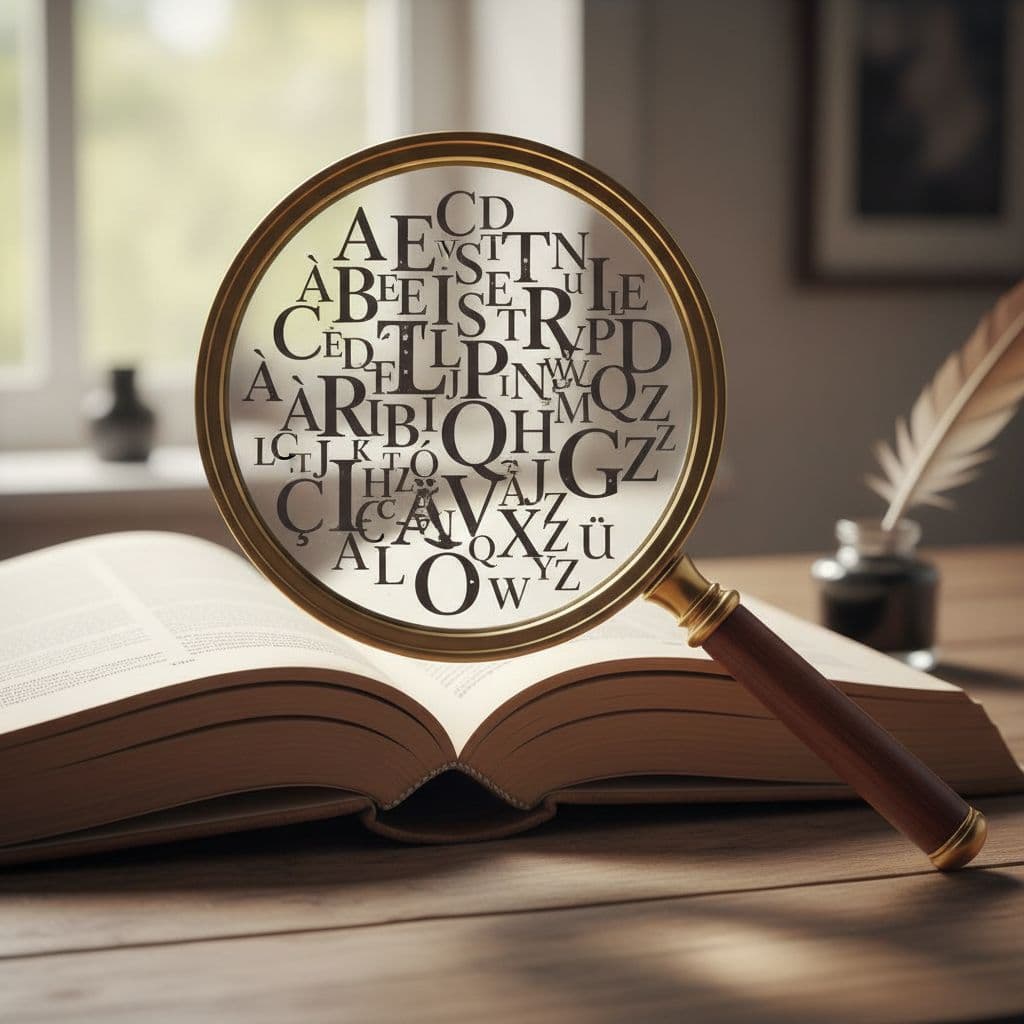
For a closer look at the scale of borrowing, this overview of French influence on English shows just how deep the connection runs.
The same alphabet and familiar sentence patterns
French feels less scary than languages with a different writing system because you can read the alphabet straight away.
You already know the letters, so the first barrier is lower before you even learn a single rule.
That same familiarity helps with sentence structure too. French and English both often follow a subject-verb-object pattern, so a basic sentence can feel surprisingly readable.
You still need to learn articles, verb endings, and gender, but the overall shape is not alien.
A phrase like Je mange une pomme is easier to unpack than a sentence built on a completely unfamiliar script or word order.
It gives you a foothold, and once you have that, the rest starts to look less like a mystery and more like a system you can learn step by step.
The parts of French that usually trip people up
If you’re asking how difficult it is to learn French, this is where the answer gets honest. French is not impossible, but a few parts catch English speakers off guard right away.
The tricky bits are rarely about meaning, they’re about sound, form, and the habit of saying things a different way.
That’s why beginners often understand more than they can say. You can spot familiar words on the page, yet still feel stuck when you try to speak them out loud.
Pronunciation is often the biggest hurdle
French pronunciation is where many learners hit the first wall. Silent letters, nasal vowels, the French r, and linking words together all make the language sound different from how it looks on the page.
French spelling does not always match the sound. Words can carry extra letters that you do not pronounce, and letters can blend into the word next to them.
That means reading and speaking use slightly different skills at the start.
Take nasal vowels, for example. They are common in French and unfamiliar in English, so they can feel odd in your mouth at first.
The same goes for the French r, which comes from the back of the throat rather than the front of the mouth.
If you want a clear breakdown of these sounds, Rosetta Stone’s French pronunciation guide covers the main trouble spots well.

Linking words together is another surprise. In speech, French often runs words into each other, so les amis sounds smoother than it looks. That can make listening feel slippery until your ear adjusts.
Gendered nouns and articles take time to remember
French nouns are either masculine or feminine. In plain English, that just means every noun belongs to one of two groups, and the article changes with it.
You say le livre for “the book” because livre is masculine, but la table because table is feminine.
This is not a sign that French is impossible, it is a memory task. You have to learn the noun with its article, the same way you learn a new phone number by repetition, not by logic.
A few examples show how much the article matters:
- le chat means “the cat”
- la voiture means “the car”
- les enfants means “the children”
The pattern gets easier once you stop treating articles as optional. They are part of the word package, not an extra bit added later.
Verb endings change more than English speakers expect
French verbs shift depending on who is doing the action and when it happens. So instead of one simple form, you get je parle, tu parles, il parle, and so on.
That feels unfamiliar if you are used to English, where verbs change far less.
The same verb can look even more different in the past, present, and future. Add irregular verbs into the mix, and it is easy to see why learners feel bogged down at first.
A simple guide like Duolingo’s French pronunciation notes also shows how spelling and sound can pull in different directions.
The pattern is the hard part at the start. Once it clicks, the endings stop feeling random.
False friends can confuse beginners
False friends are words that look familiar but mean something else. They are a classic beginner trap, and every learner falls for them sooner or later.
A few common examples are:
- actuellement means “currently”, not “actually”
- library is bibliothèque, while librairie means “bookshop”
- attendre means “to wait”, not “to attend”
These mistakes are normal. They are part of learning a language that borrows a lot from English but does not always use the same meanings.
The fix is simple, keep an eye on context and do not panic when a familiar-looking word turns out to be something else entirely.
How hard French is depends on your learning habits
French does not feel equally hard for everyone. The same language can feel manageable for one learner and maddening for another, and the difference is often routine, not talent. If you build steady habits, French starts to look far less intimidating.
If you study in random bursts, even the easiest lesson can feel like a slog.
That is why the question is not only how difficult is it to learn French, but how you approach it.
A small amount of regular contact with the language usually beats long sessions that leave you drained and forgetful.
Listening regularly makes the language feel less strange

French often feels unfamiliar because the sounds are new, not because the language is impossible. The more often you hear it, the quicker your ear stops treating it like noise.
Podcasts, songs, simple shows, and short videos all help here. You do not need to understand every word at the start.
You just need steady exposure, so the rhythm, pronunciation, and common phrases start to feel normal. Even five or ten minutes a day can make a difference when you keep at it.
Try to listen in a way that feels easy to repeat:
- Short podcasts for beginners
- Children’s shows or simple YouTube clips
- French music you do not mind hearing again and again
- Audio with transcripts, so you can check what you heard
Passive listening is not magic, but it does soften the shock. French stops sounding like a blur and starts sounding like a language you can recognise.
Speaking early helps more than waiting until you feel ready
Many learners hold back because they want to sound better first. That usually slows them down. The sooner you speak, the sooner French starts to stick.
Keep it simple at the beginning. Use short phrases, basic sentences, and familiar words. Say greetings out loud, repeat model sentences, or answer easy questions about yourself.
If you can say Je m’appelle… and J’habite à…, you are already doing the work.
Speaking helps in two ways. It builds confidence, and it trains your mouth to make the sounds properly.
That is a bit like learning a tune on a piano. Reading the notes is useful, but you only really learn it by playing.
If you want a sensible study structure, this French study plan from italki makes the same point clearly, consistency matters more than waiting for perfection.
Short, consistent study beats long cramming sessions
French gets easier when you show up often. A 20-minute session every day usually does more than a two-hour marathon once a week, because your brain has fewer gaps to fill.
Regular practice also lowers stress. You are less likely to freeze if you know French is part of your day rather than a huge task you keep postponing.
Progress feels more real when it happens in small steps, too, because you can actually remember what you learned yesterday.
A simple routine might look like this:
- Listen to something short in French.
- Say a few phrases out loud.
- Review yesterday’s words or sentences.
- Stop before you feel exhausted.
That kind of rhythm makes learning feel manageable. And that is the real answer to how difficult French is, it depends a lot on whether your habits help the language settle in, or push it back out again.
How French compares with other languages
French sits in a pretty comfortable spot for English speakers. It has familiar letters, lots of shared vocabulary, and sentence patterns that don’t feel wildly different from English, so the first steps are often less intimidating than people expect.
That said, “easy” is a relative word. French is easier than many languages for an English speaker, but it still asks for real effort once you move past basic reading and into speaking, listening, and writing with accuracy.
A useful way to think about it is this, French gives you a better starting point than a lot of languages, but it still expects you to do the work.
Why French is often rated as more manageable than many languages
French is usually seen as more approachable than languages with a different alphabet, a very different sound system, or grammar that works in a completely new way.
You are not wrestling with unfamiliar scripts first, which removes a big chunk of the early friction.
Shared vocabulary helps too. English has borrowed thousands of French words over the centuries, so a beginner often recognises more than they realise.
That makes French feel less like a blank page and more like a page with a few clues already written in.
The U.S. Foreign Service Institute’s language rankings place French in the easier group for English speakers, alongside Spanish and Italian.
That does not mean it is effortless, but it does put French in a very different category from languages that demand years of work just to reach a basic reading level.

You can also see the difference in everyday terms:
- Familiar letters: you can read the alphabet straight away.
- Shared words: many nouns and adjectives look recognisable.
- Similar sentence structure: basic French often follows a pattern English speakers already know.
That is why French often feels like a language you can enter through the front door, rather than having to climb in through the window.
Why it can still feel harder than it first looks
French can give beginners a false sense of ease. The first lessons often go well, then the difficulty rises when you need to speak clearly, write accurately, and follow native-speed conversation without missing half of it.
Pronunciation is the first reality check. French words may look familiar on the page, but they often sound very different once spoken, and native speakers connect words in ways that make listening tricky at first.
That gap between reading and hearing is where a lot of learners start to feel stuck.
Writing brings its own problems. Gender, verb endings, accents, and silent letters mean that a sentence can look simple and still contain several things to remember.
Then there is conversation, where you have to process meaning fast, respond in the moment, and stop translating every word in your head.
French is friendly at the beginning, then it asks for precision.
That does not mean the language is unusually hard. It just means the hard parts arrive later, after the easy wins have built a bit of confidence.
If you expect that shift, French feels far more manageable, because you are not surprised when the training wheels come off.
A realistic timeline for learning French well
French does not arrive all at once. It tends to come in layers, and that is good news if you are worried about speed.
The first wins can show up fast, but the deeper skills take longer, and that is completely normal.
If you keep showing up, you will usually notice a clear pattern: the basics become easy first, then everyday conversation, then real confidence.
That is what learning French looks like for most English speakers, not instant fluency, but steady progress that keeps changing shape.
What you might achieve in the first few months
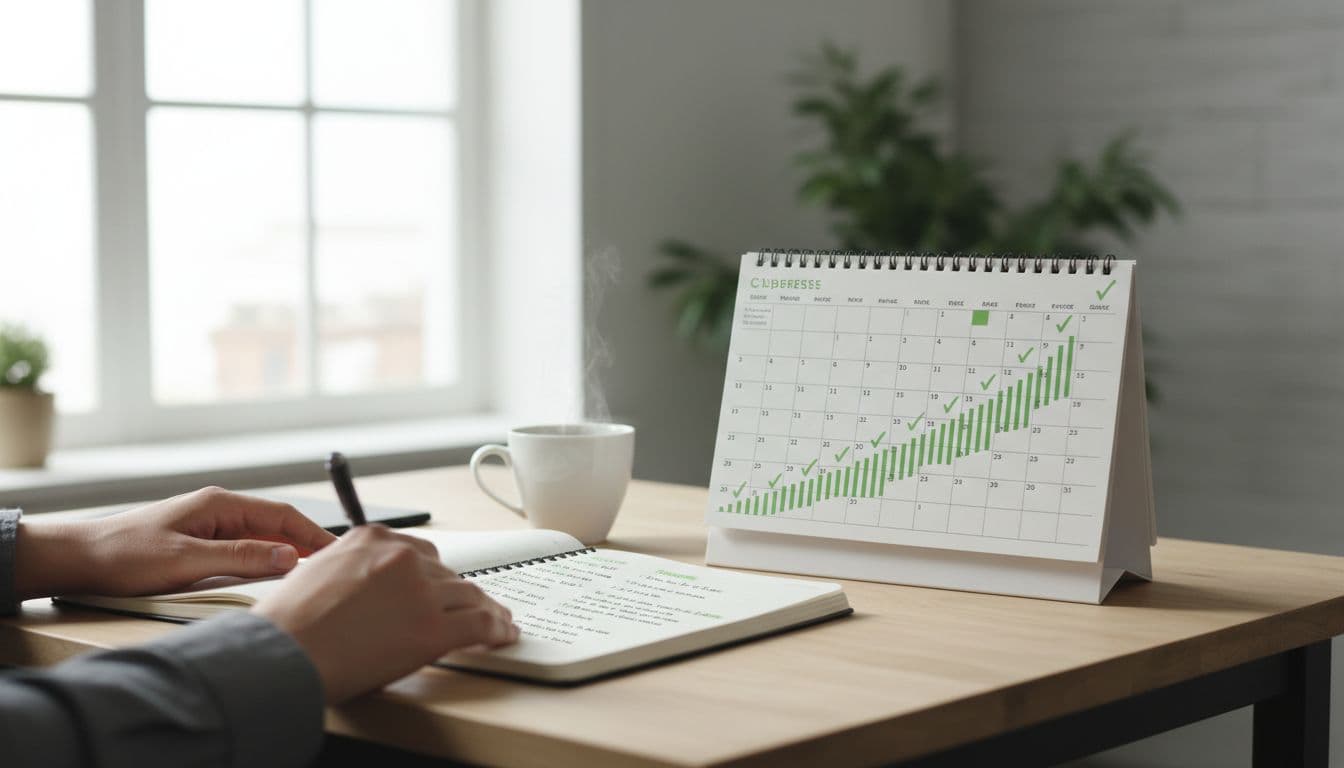
In the early months, you can make surprisingly quick progress if you stay consistent.
You may not be chatting like a native, but you can absolutely get to the point where French feels familiar rather than frightening.
At this stage, most learners can handle:
- Greetings and introductions, such as saying hello, goodbye, and introducing themselves
- Simple questions, like asking where something is or how someone is doing
- Basic vocabulary, including food, numbers, days, family, and travel words
- Slow speech, especially when the speaker uses clear, simple language
This is the part that builds momentum. Once you can understand a few short phrases and answer back without freezing, the language stops feeling like a wall.
It starts to feel like something you can work with.
Early progress in French often comes faster than people expect, as long as practice is regular.
What takes longer and why patience matters
The slower stage is where French starts asking for more than memorisation. Pronunciation takes time because your mouth has to learn new sounds.
Listening also gets harder when native speakers talk quickly or blend words together.
Grammar is another long game. You might know the rules in theory, but using them without thinking takes repetition.
That is why a learner can understand a sentence, then struggle to produce the same structure on the spot.
A good benchmark is this, if you are improving your listening by a little, speaking with less hesitation, or making fewer grammar slips, you are still moving forward.
Progress in French is often quiet. It does not always feel dramatic from one week to the next, but it adds up.
Conclusion
So, how difficult is it to learn French? For English speakers, it is not the toughest language by a long way, but it does have a few awkward corners.
Pronunciation, gendered nouns, and verb endings take patience, yet the shared alphabet and familiar vocabulary give you a real head start.
That balance is why French feels so manageable once you get past the first wobble. It rewards regular listening, early speaking, and short, steady study far more than long cramming sessions.
The learners who make progress are usually the ones who keep turning up, not the ones waiting to feel ready.
French is learnable, and it gets easier when your ear starts catching the patterns and your mouth starts repeating them without as much effort.
Once that happens, the language stops feeling distant and starts feeling like something you can actually use.